
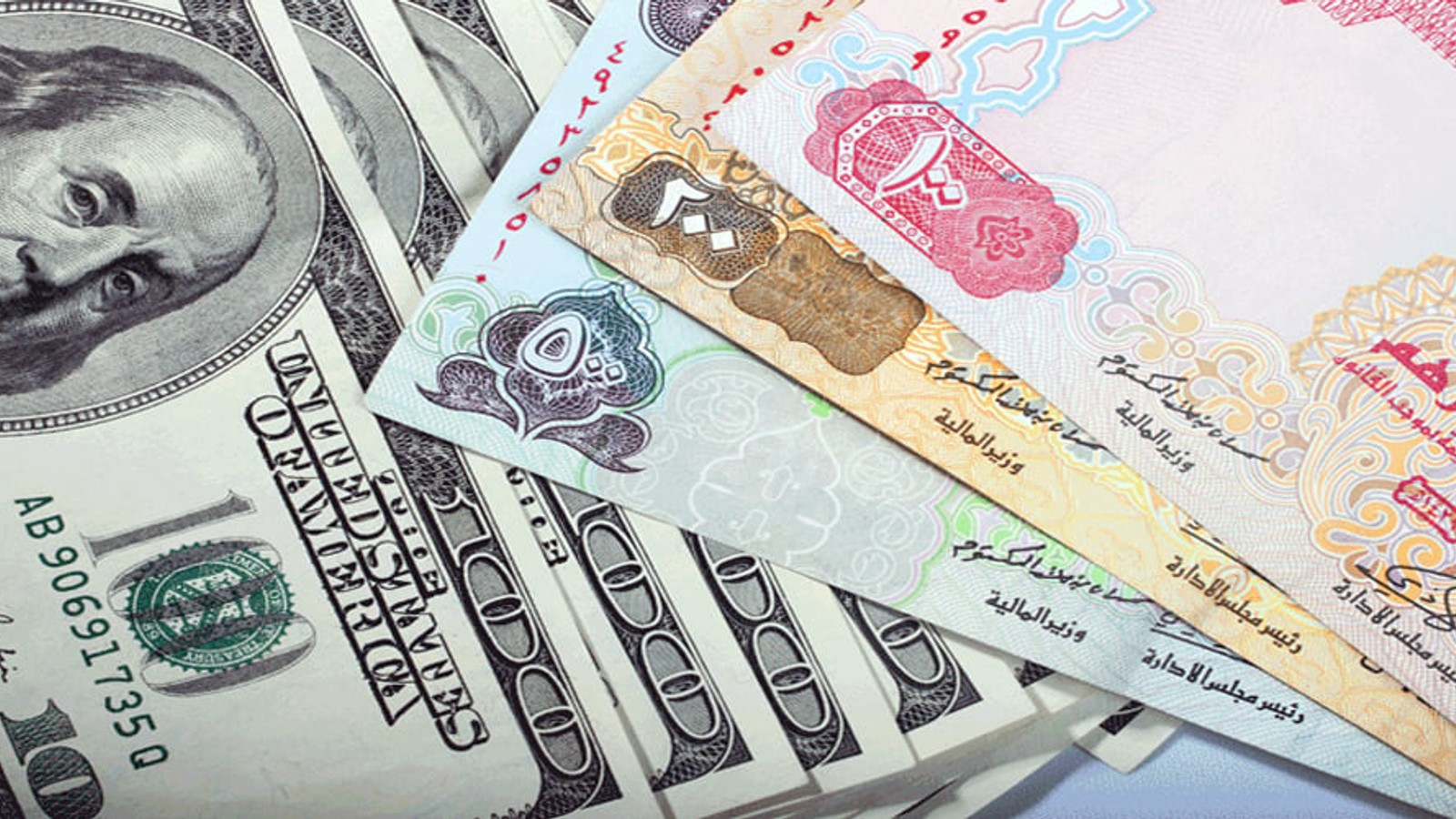
Despite the dirham's formal peg to the dollar, Dubai's mortgage market is increasingly operating independently of US Federal Reserve policy. Banks are managing rates within their own margins, and a growing share of cash buyers is reducing overall market sensitivity to external rate movements. This analysis explores the true drivers of demand.
Dubai's Mortgage Market Has Quietly Decoupled From the Fed
When the US Federal Reserve held rates steady again in August, it barely registered in Dubai mortgage conversations. The dirham's dollar peg still formally ties UAE rates to Fed policy, but banks are increasingly managing rate movements within their own margins, and cash buyers now make up a growing share of the market regardless of what Washington does.
Why This Matters
The dirham's peg to the dollar means the UAE's formal monetary policy will keep tracking the Fed indefinitely, that mechanical link isn't going anywhere. What has genuinely changed is how much of that link actually reaches the average Dubai borrower. Banks now have room to manage rate movements within their own margins rather than passing every Fed decision straight through, and buyer behaviour is increasingly shaped by residency decisions and cash purchasing power rather than the timing of a rate announcement in Washington.
A Quiet Year for UAE Base Rate Moves
Mortgages Are Losing Share of the Market, Not Growing It
Three Forces Doing More Work Than the Fed
New Resident Inflow
Career opportunities, quality of life and the tax environment continue to draw new residents to Dubai, a steady demand base independent of rate cycles.
Existing Resident Moves
Marriage, growing families and long-term decisions to settle drive a meaningful share of purchases regardless of the prevailing mortgage rate.
Relative Value Buyers
Buyers responding to more favourable pricing in specific market segments amid the recent geopolitical backdrop, a value-driven motivation distinct from rate timing.
What Weakened Transmission Actually Means
Banks Have Room to Absorb Small Moves
With rates stabilised well below the double-digit highs of previous decades, lenders have genuine flexibility to compete on mortgage pricing without reacting to every individual Fed decision, a structural shift from a higher-rate environment.
Delaying a Purchase for a Rate Cut May Not Pay Off
Even if the Fed does eventually cut, the effect on UAE mortgage pricing may be modest given how much banks now manage independently, buyers timing a purchase purely around a future cut are betting on a transmission mechanism that has already weakened.
A Shrinking Mortgage Share Reduces Rate Sensitivity Market-Wide
As financed transactions fall from 63% to 52% of the market, Dubai's overall price and demand dynamics become progressively less exposed to mortgage rate movements as a whole, reinforcing the broader decoupling.
The Rate Outlook Itself Remains Genuinely Uncertain
Morgan Stanley currently expects US rates to hold steady through 2026 with possible cuts in 2027, while other analysts continue to flag inflation-driven risk of further increases, there is no settled consensus buyers can confidently plan around either way.
The Formal Link to Fed Policy Hasn't Actually Broken
The UAE's base rate still moves in direct lockstep with Fed decisions through the dollar peg, what's changed is downstream pricing behaviour by banks, not the underlying monetary mechanism itself, an important distinction when reading "decoupling" language.
Rate Sensitivity Still Varies by Buyer Profile
Financed buyers, particularly those with tighter loan-to-value ratios, remain more exposed to rate movements than the cash-dominant market overall, this shift describes an aggregate trend, not a uniform experience across every buyer.
What This Means If You're Financing a Purchase
- Don't assume a future Fed cut will translate directly into materially cheaper UAE mortgage financing, banks now manage a meaningful share of that movement internally.
- Get a current rate quote rather than waiting on rate-cut speculation, the 3.5-4.2% range reflects today's genuinely competitive lending environment.
- Recognise that Dubai's overall market is increasingly cash-driven, reducing how much aggregate demand and pricing actually respond to rate news.
- Base a purchase timing decision on your own residency and life circumstances, the drivers the data shows are actually shaping demand, rather than on Fed policy speculation.
The dirham's dollar peg keeps the UAE's base rate mechanically tied to the Fed, and that isn't changing. What's changed is what happens after that number moves, banks absorbing more of it into their own margins, and a market increasingly driven by residency decisions, family circumstances and cash purchasing power rather than the timing of a rate cut. For buyers still waiting on the Fed to make Dubai financing meaningfully cheaper, the data suggests that wait may not deliver what it once would have.

About the author
Sheraz Khan
Associate Partner
Sheraz Khan stands among the leading real estate professionals in the UAE, known for his strong market insight, trusted client relationships, and proven results. Repeatedly recognized by Emaar and DAMAC at their annual awards, he has built a reputation for excellence at the highest level of the industry.
About the author
Sheraz Khan
·Associate PartnerSheraz Khan stands among the leading real estate professionals in the UAE, known for his strong market insight, trusted client relationships, and proven results. Repeatedly recognized by Emaar and DAMAC at their annual awards, he has built a reputation for excellence at the highest level of the industry.


