
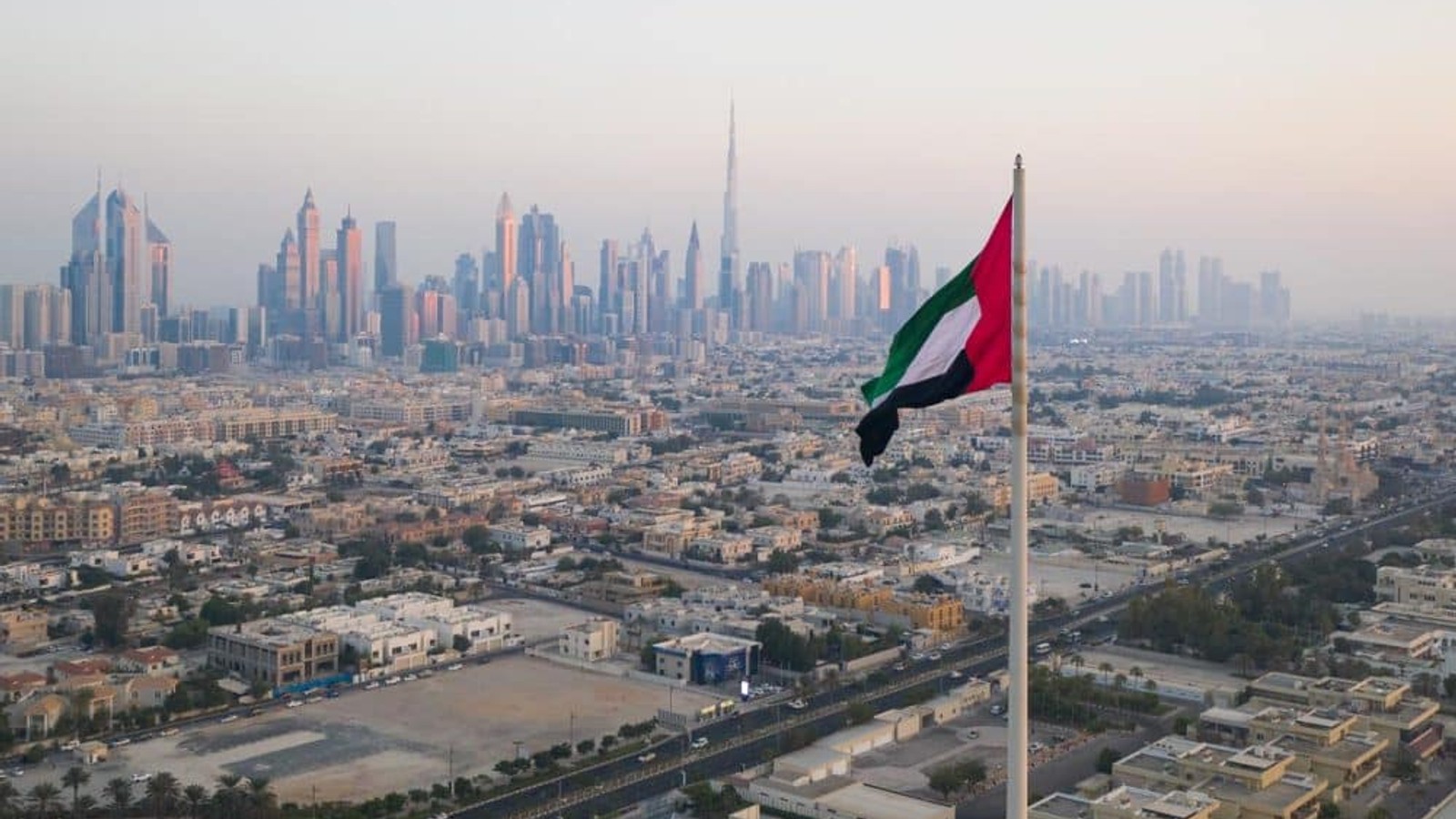
Dubai witnessed an unprecedented population surge of 332,000 residents in 2025, reaching 4.58 million. This rapid growth, among the fastest in the city's history, poses significant implications for housing demand, transport, and urban infrastructure, signaling a new era of strategic planning for the emirate's real estate landscape.
Dubai Added 332,000 People in a Single Year, Here's What That Actually Means for Housing
Dubai's population hit 4.58 million by the end of 2025, up 7.5% in a single year, one of the fastest growth rates in the city's history. Factor in daytime commuters and the number swells to 6.392 million. Behind every one of those figures sits a housing, transport and infrastructure question this city is now answering in real time.
Why This Matters
Population growth is the single most direct driver of real estate demand, and 332,000 new residents in one year is not a marginal figure, it's roughly equivalent to adding a mid-sized city's worth of people who all need somewhere to live. Every metro line, road widening and off-plan launch covered in recent infrastructure coverage exists because of numbers like this one. Dubai's decision to move from periodic censuses to real-time population monitoring is itself a signal: officials are treating this growth rate as the new normal to plan around, not a temporary spike to wait out.
Three Years of Accelerating Growth
Population growth hasn't just continued, it's sped up each year.
A Young, Working-Age Population
Resident Population vs. Daytime Reality
Reading the Numbers Through a Housing Lens
332,000 New Residents Need Somewhere to Live
Even at a conservative average household size, an addition of this scale translates into well over 100,000 new households requiring housing within a single year, a demand figure that sits behind every off-plan launch and rental market trend covered elsewhere.
Nearly Half the Population Is Under 35
A youth-heavy population (45.2% aged 15-35) tends to favour rental over ownership initially, and studio-to-two-bedroom apartments over larger family homes, a demand profile that should shape which unit types see the tightest competition.
The Real Planning Number Is 6.392 Million, Not 4.58 Million
Roads, transit capacity and utilities all have to be sized for the peak daytime population, not just residents, this is precisely why Dubai's road-widening and metro-expansion projects are being planned at the scale they are.
Real-Time Monitoring Signals a Structural Response
Replacing periodic censuses with continuous, AI-assisted population tracking suggests officials expect this growth rate to persist rather than plateau, a meaningfully different planning posture than treating 2025 as an outlier year.
Growth on a Scale Without Much Precedent
Dubai's population has grown roughly 380-fold since 1881, but the recent pace, accelerating from 6.9% growth in 2024 to 7.5% in 2025, shows the current cycle isn't just continuing historical trends, it's outrunning them.
Supply Still Has to Keep Pace
Population growth alone doesn't guarantee smooth market absorption, if new housing supply in any given year outpaces or lags this demand growth meaningfully, it shows up directly in rent and price volatility for that period.
How to Use This Data
- Weight rental and starter-home demand analysis toward the 15-35 age bracket specifically, it's the largest single segment and the one most likely to be actively house-hunting.
- When evaluating a community's transport and amenity adequacy, think in terms of the 6.392 million daytime figure, not the 4.58 million resident figure.
- Treat 7.5% as the current baseline growth rate for demand modelling, not a peak, the trend has accelerated three years running, not plateaued.
- Cross-reference upcoming supply pipelines against this population trajectory community by community, since absorption risk depends on the two moving in step, not on population growth alone.
Metro lines, road expansions, new master communities, nearly every infrastructure and real estate story out of Dubai this year traces back to this one figure. 332,000 people arrived, and Dubai's population growth rate is still climbing, not levelling off. For anyone trying to understand where housing demand goes next, this census data is the closest thing to a root cause the city has published.

About the author
Oscar Chavez
Certified International Property Specialist (CIPS)
One of Dubai’s standout real estate performers, Oscar Chavez has earned recognition from premier developers such as Emaar and DAMAC. With roots in Latin America and a strong network across Spain, he brings trusted access to a wide international client base and has built a solid reputation among European investors.
About the author
Oscar Chavez
·Certified International Property Specialist (CIPS)One of Dubai’s standout real estate performers, Oscar Chavez has earned recognition from premier developers such as Emaar and DAMAC. With roots in Latin America and a strong network across Spain, he brings trusted access to a wide international client base and has built a solid reputation among European investors.


